Seri Begawan Brunei: A Royal Capital Defining Tradition in the Heart of Borneo
Seri Begawan Brunei: A Royal Capital Defining Tradition in the Heart of Borneo
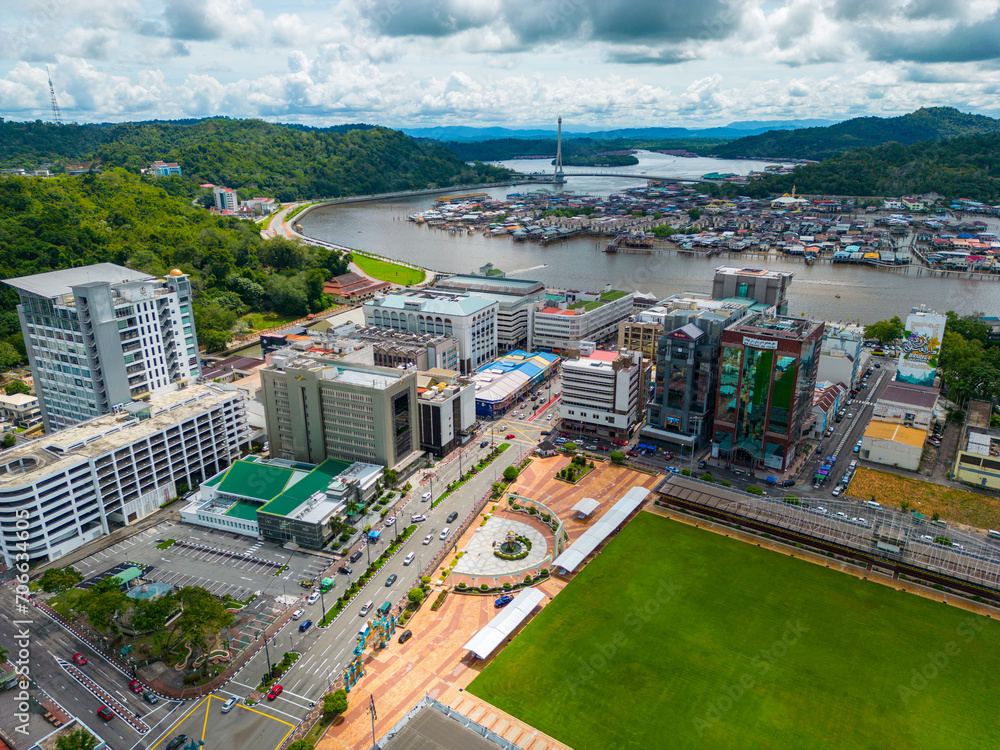
Nestled along the gleaming coastline of the South China Sea, Seri Begawan serves as Brunei’s beating political and cultural heart—where royal grandeur meets Southeast Asian heritage. More than just a modern city, it embodies the enduring legacy of the Bruneian monarchy, blending centuries-old Islamic and Malay traditions with contemporary governance and development. At its center stands the opulent Istana Nurul Iman, the world’s largest residential palace, symbolizing the nation’s wealth, stability, and deep-rooted sovereignty.
This capital is not merely a seat of government but a living testament to Brunei’s identity, shaping how tradition is preserved in an evolving regional landscape. Royal Legacy and Political Centrality Seri Begawan derives its name from the revered royal family—“Seri Begawan” translates to “most noble sultan,” a title historically linked to Brunei’s monarchs. As the capital, it houses the seat of Brunei’s constitutional monarchy, where the Sultan of Brunei—currently Sultan Hassanal Bolkiah—executes executive authority while preserving ceremonial and spiritual leadership.
Unlike many national capitals defined primarily by administrative functions, Seri Begawan’s identity is inseparable from the Al-Sayf Islamic dynasty, whose rule spans over six centuries. The political significance of Seri Begawan is underscored by key institutions. The Parliament House and executive offices operate here, supporting a governance model that integrates Malay administration with modern legislative practice.
Yet, unlike cities driven solely by commerce or bureaucracy, Seri Begawan



Related Post

Isabel May Age: How the Visionary Turned Generational Insight into Global Impact

Unlocking the Power of Shiftselect UPM: The Ultimate Tool for Precision Research

The Enduring Legacy of Dinah Shore’s Daughter: A Cultural Biography in Three Generations

Unblocked Games School: Your Ultimate Gateway to Safe, Engaging Digital Play


